ENTRY III — THE FORM
How Movement Becomes Design
As Studio DRÈA enters its second year, we do so with reflection. Our first anniversary fell on World Theatre Day — a fitting moment for a studio shaped by theatre, by its many art forms, and by the artists whose devotion gives them life.
From the beginning, Studio DRÈA has been inspired not only by the visual language of performance, but by the principles within it: movement, line, discipline, expression, tension, and release. These are not simply qualities we admire. They are part of how we think, and part of how we design.
Much is said in fashion about image and trends. Far less is said about movement — the way the body creates line, carries weight, and reveals emotion through posture and rhythm. Yet movement is one of the purest forms of design. In dance, and especially in ballet, nothing is arbitrary. Every placement has intention. Every curve must hold both beauty and function. Every line must be felt before it is seen.
That way of thinking remains close to us. A dancer’s body is always negotiating balance: between control and freedom, structure and softness, tension and release. In choreography, weight is placed, shifted, suspended, and returned with precision. An arabesque, for example, is not defined by extension alone, but by the line through the back, the lifted posture, and the quiet force required to make something demanding appear effortless.


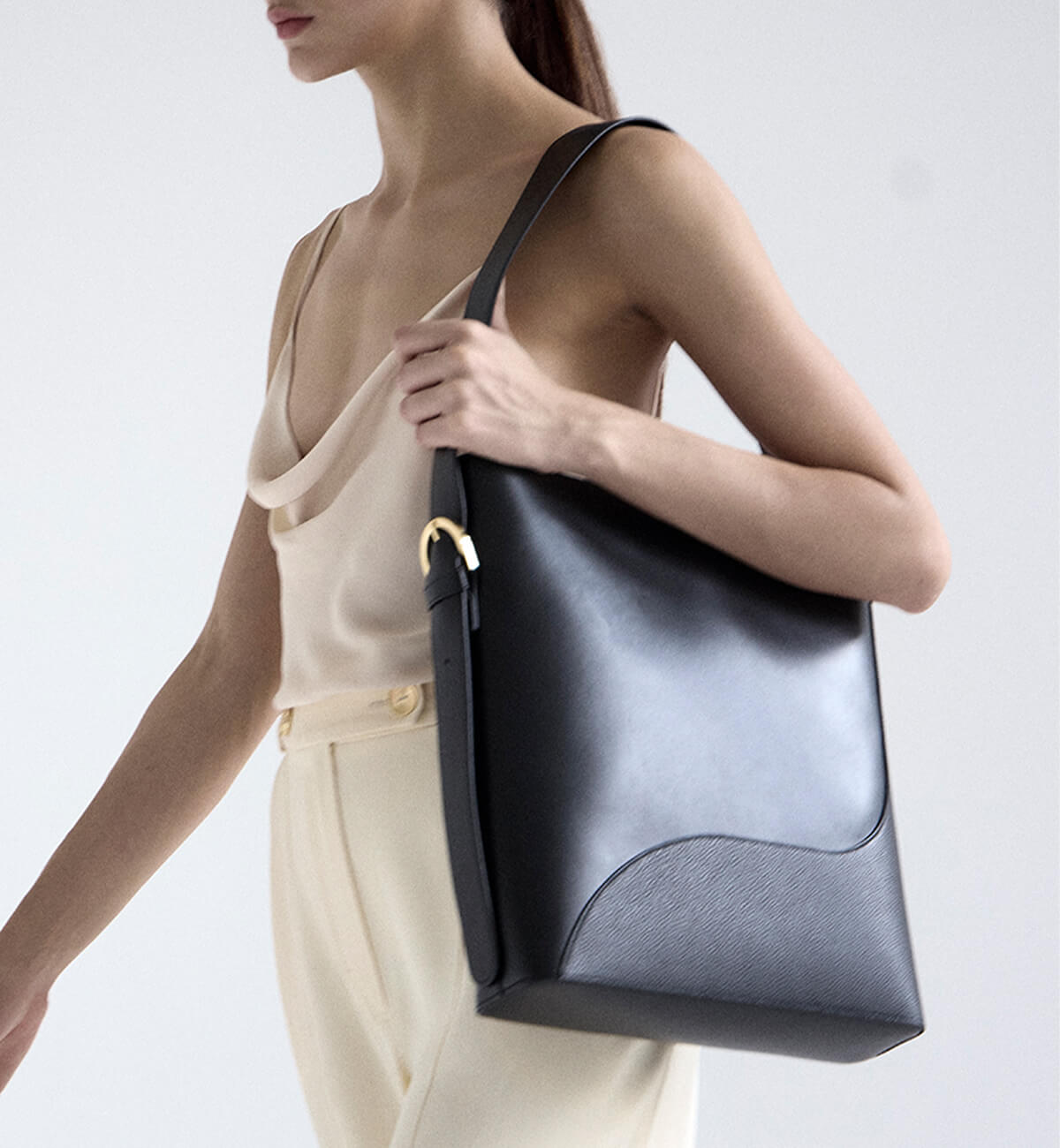
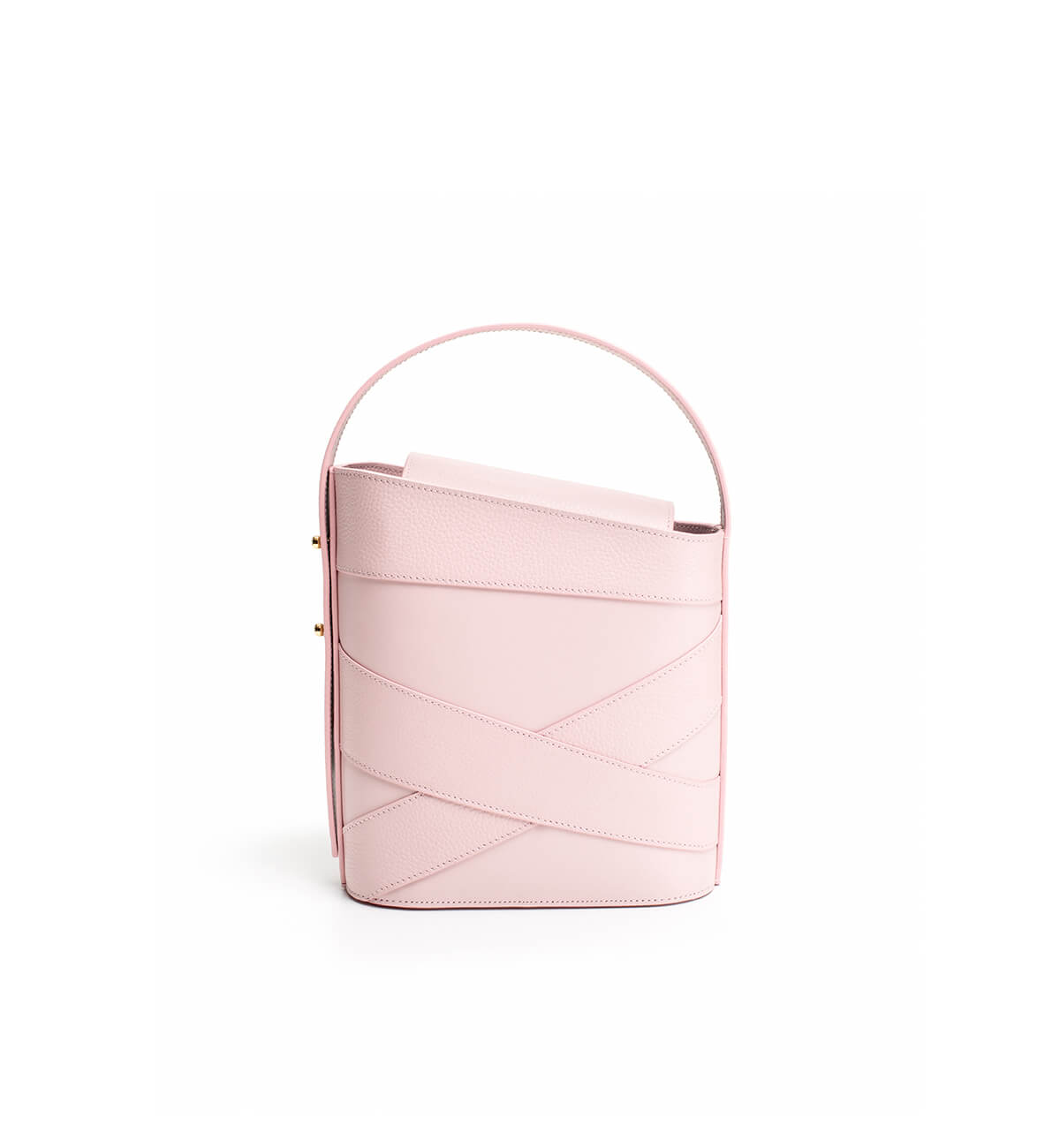
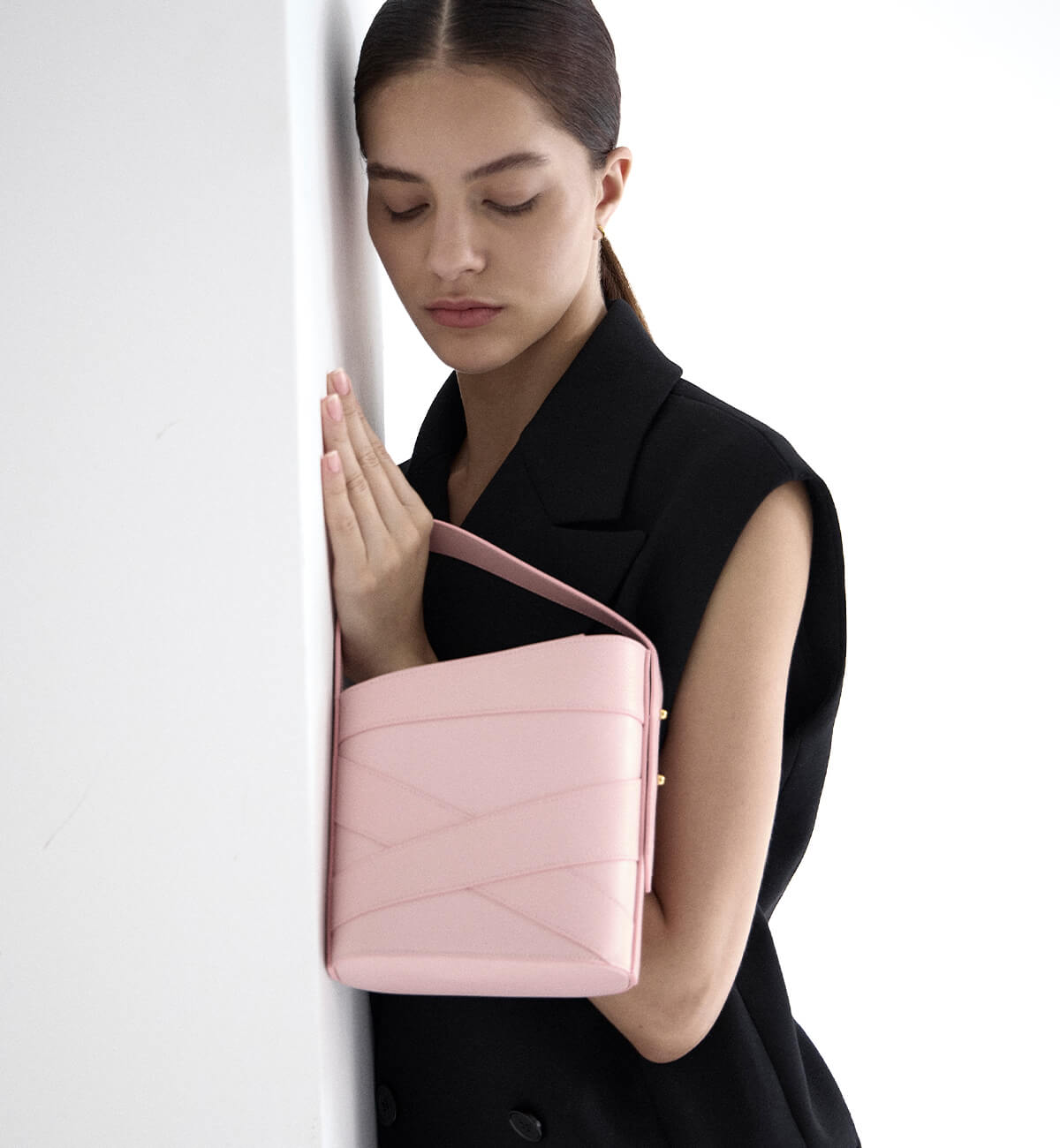
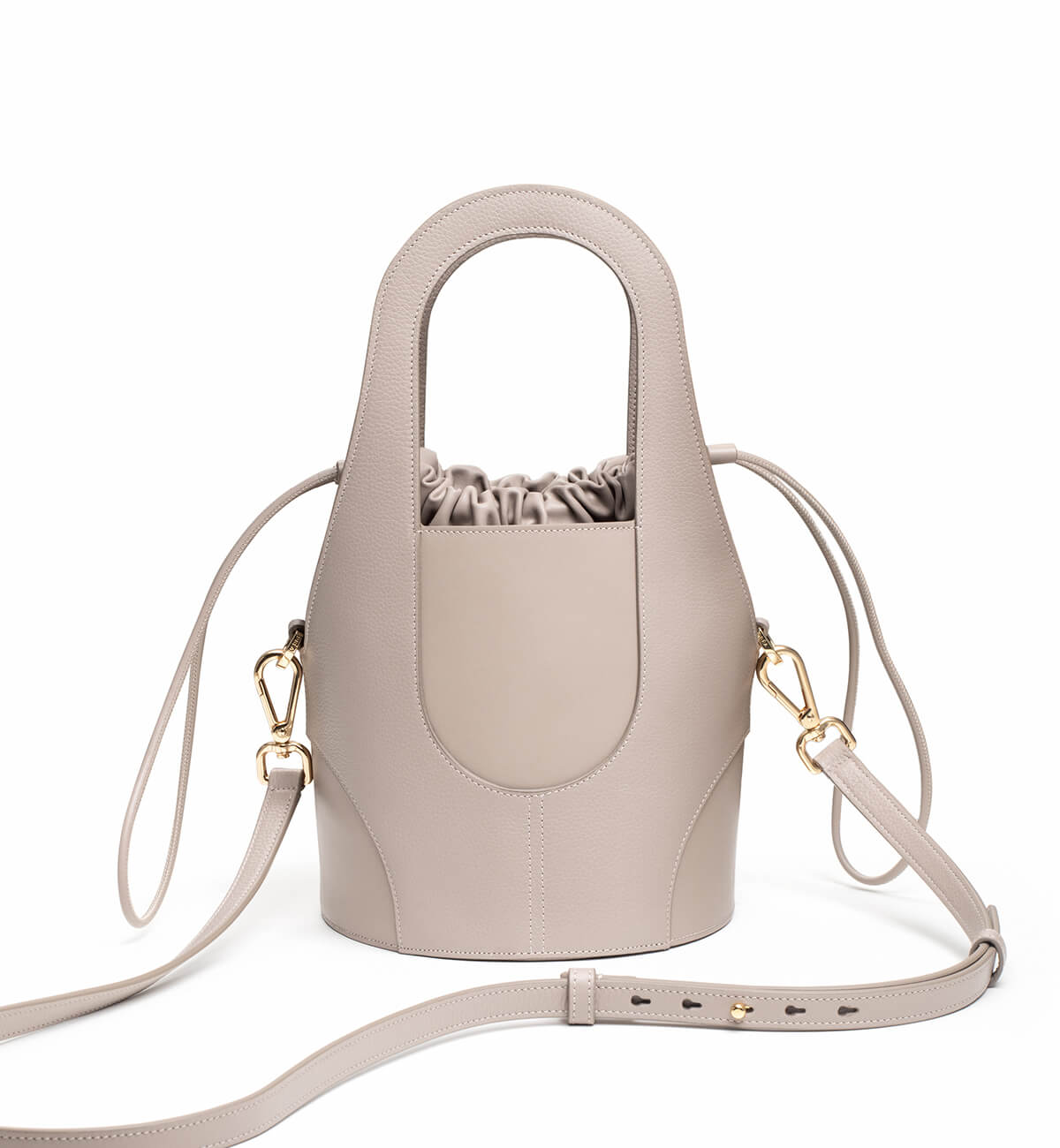
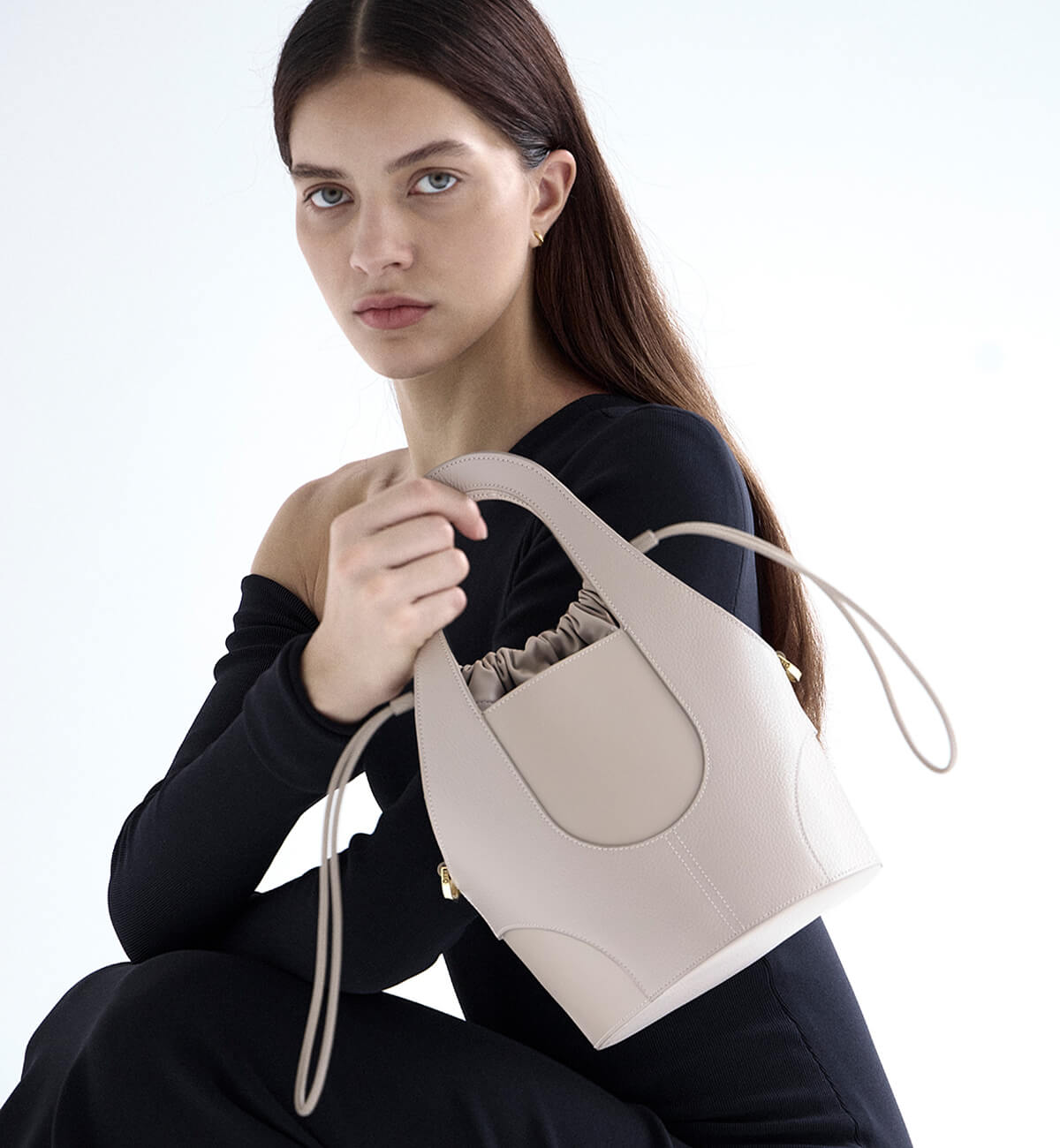
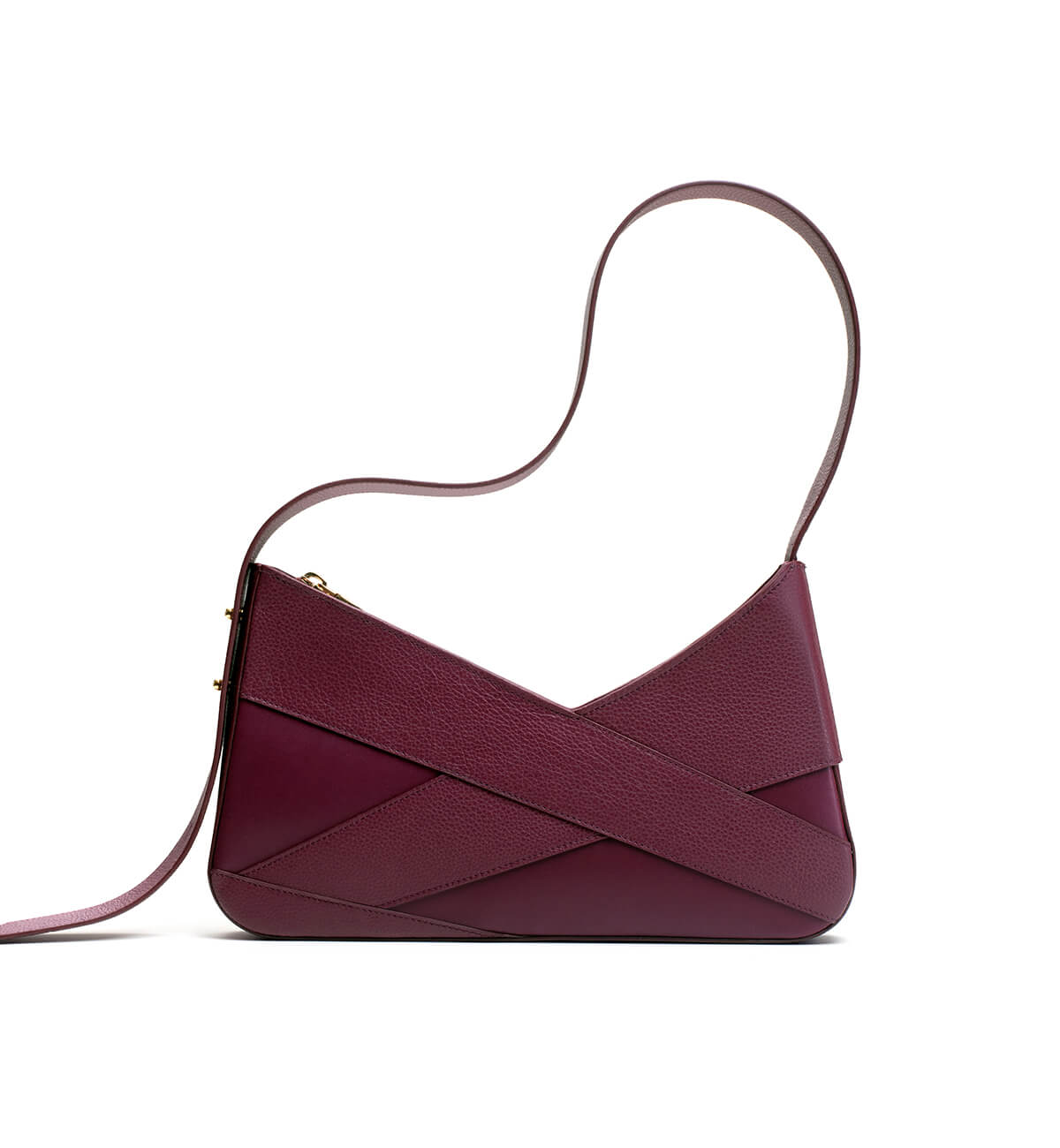
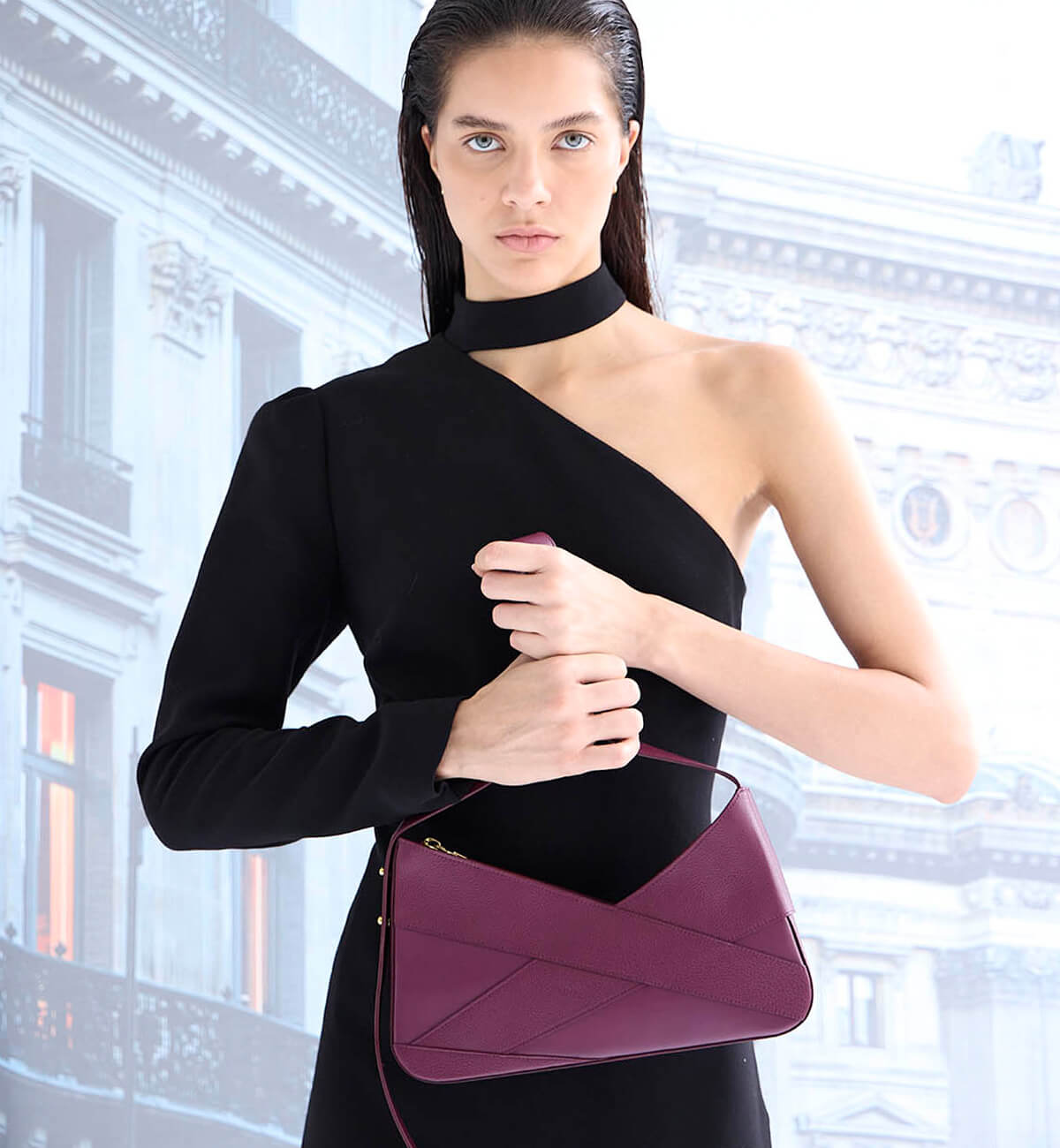
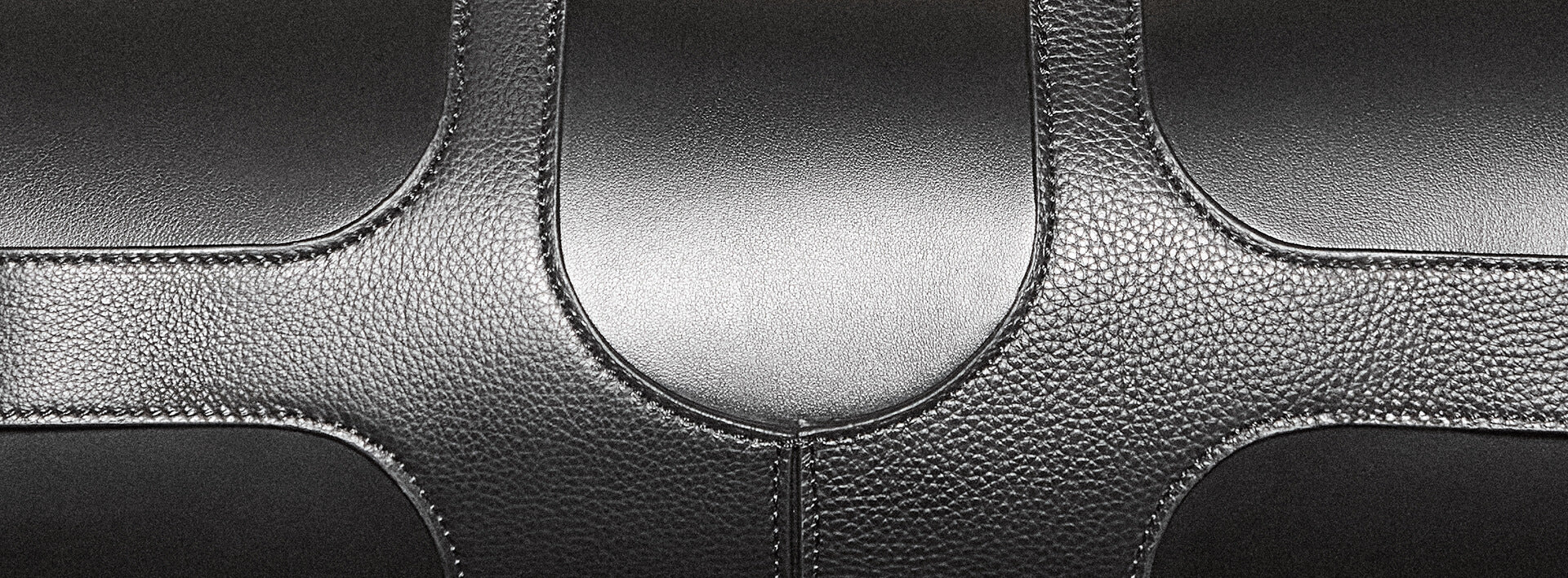
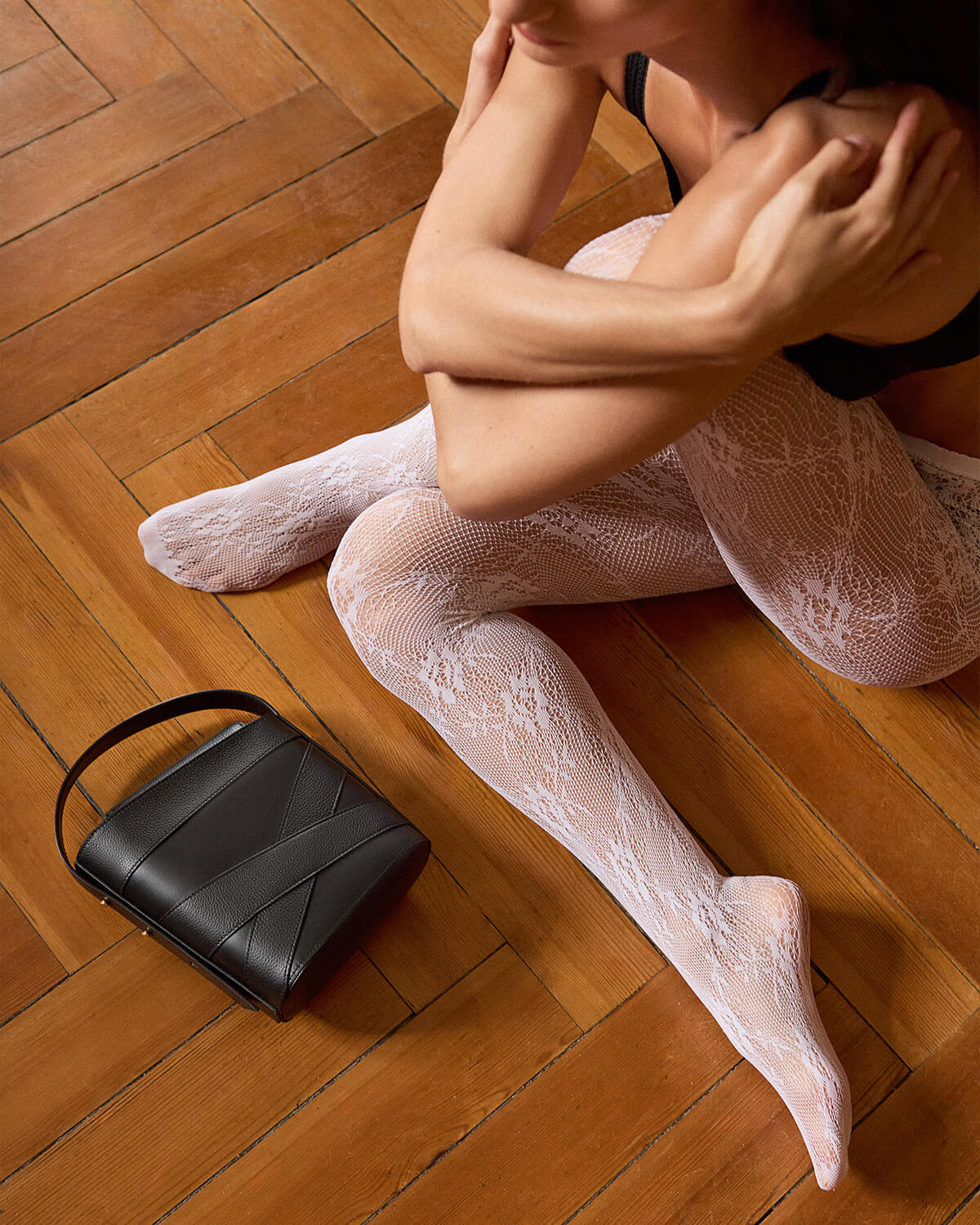
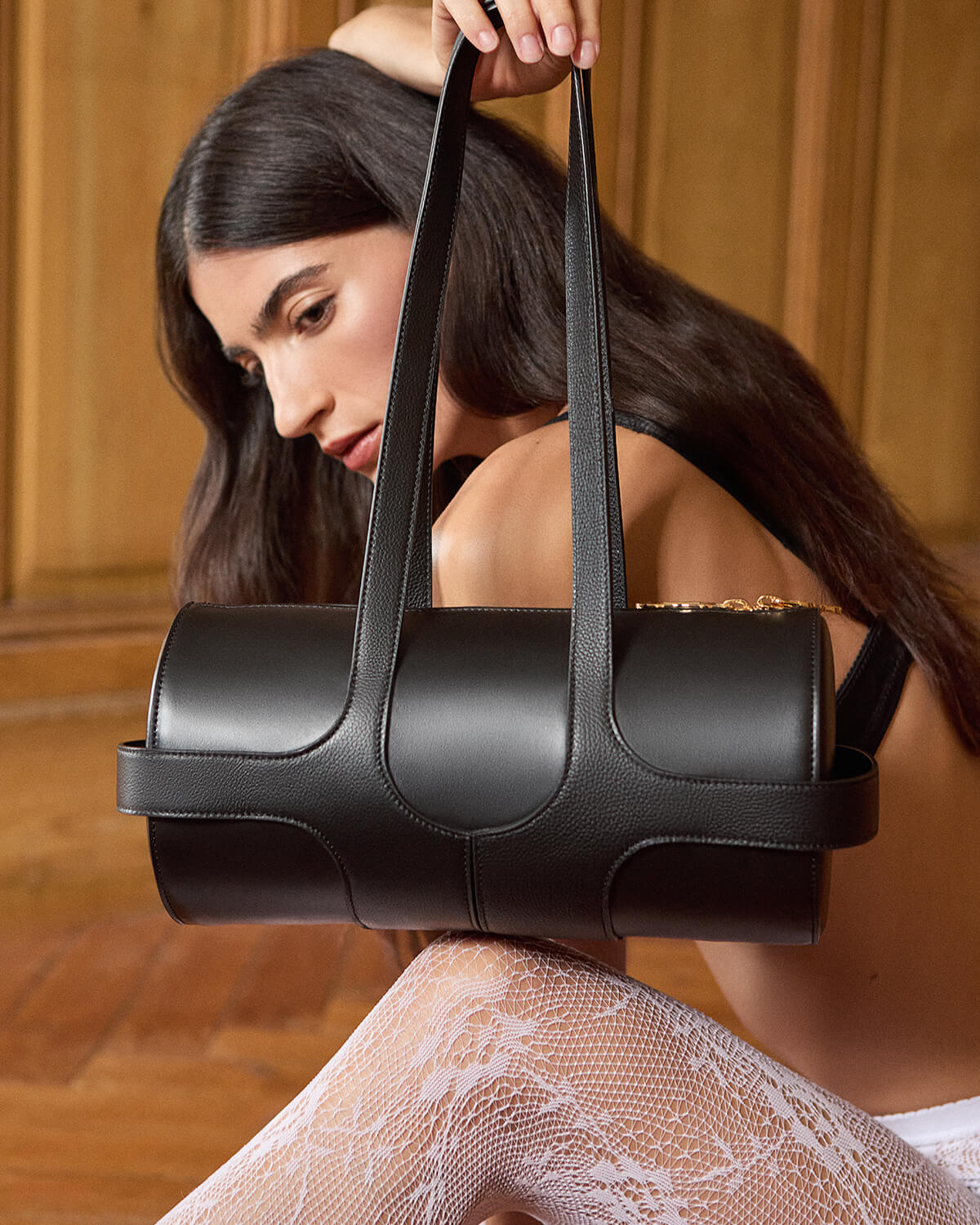
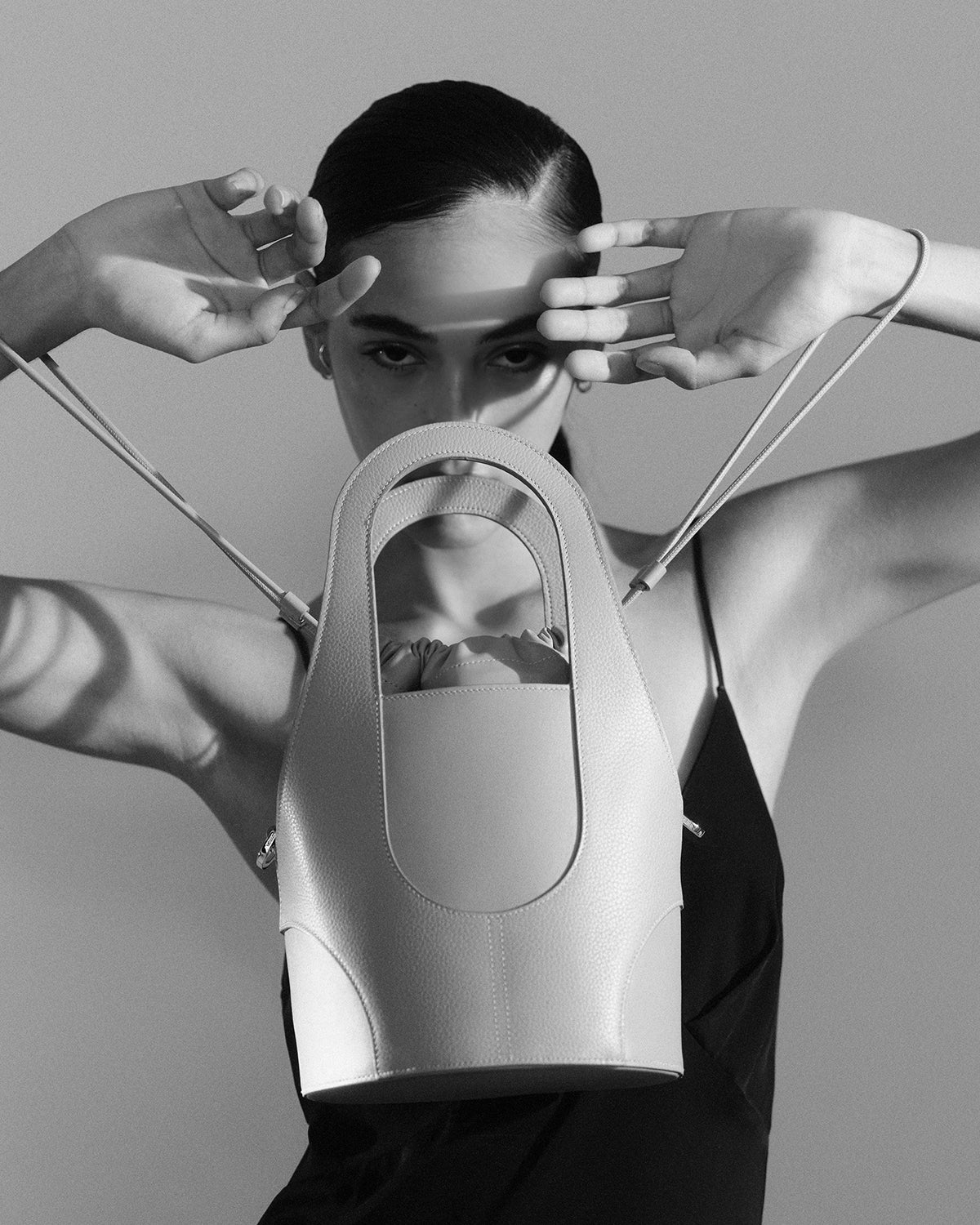
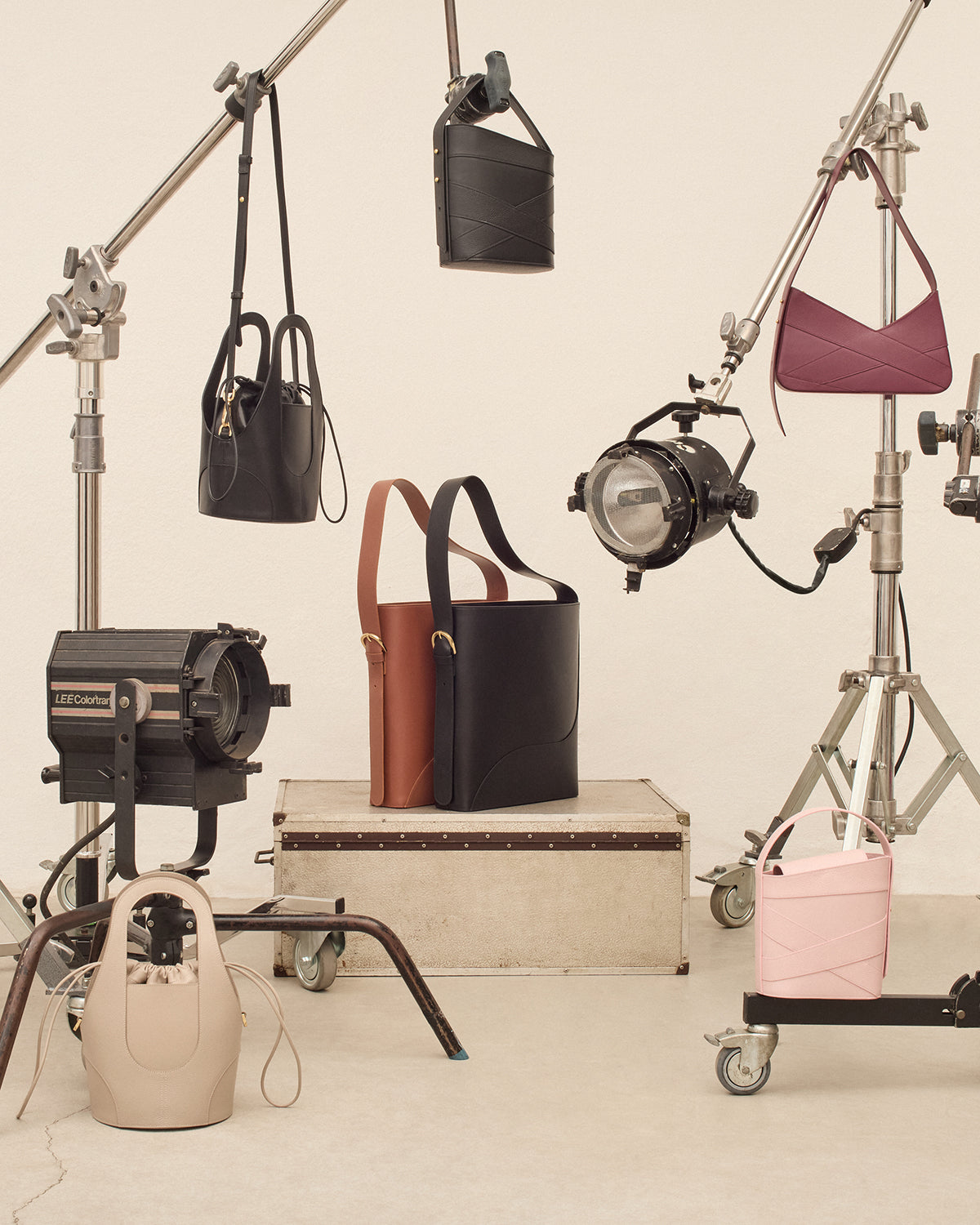
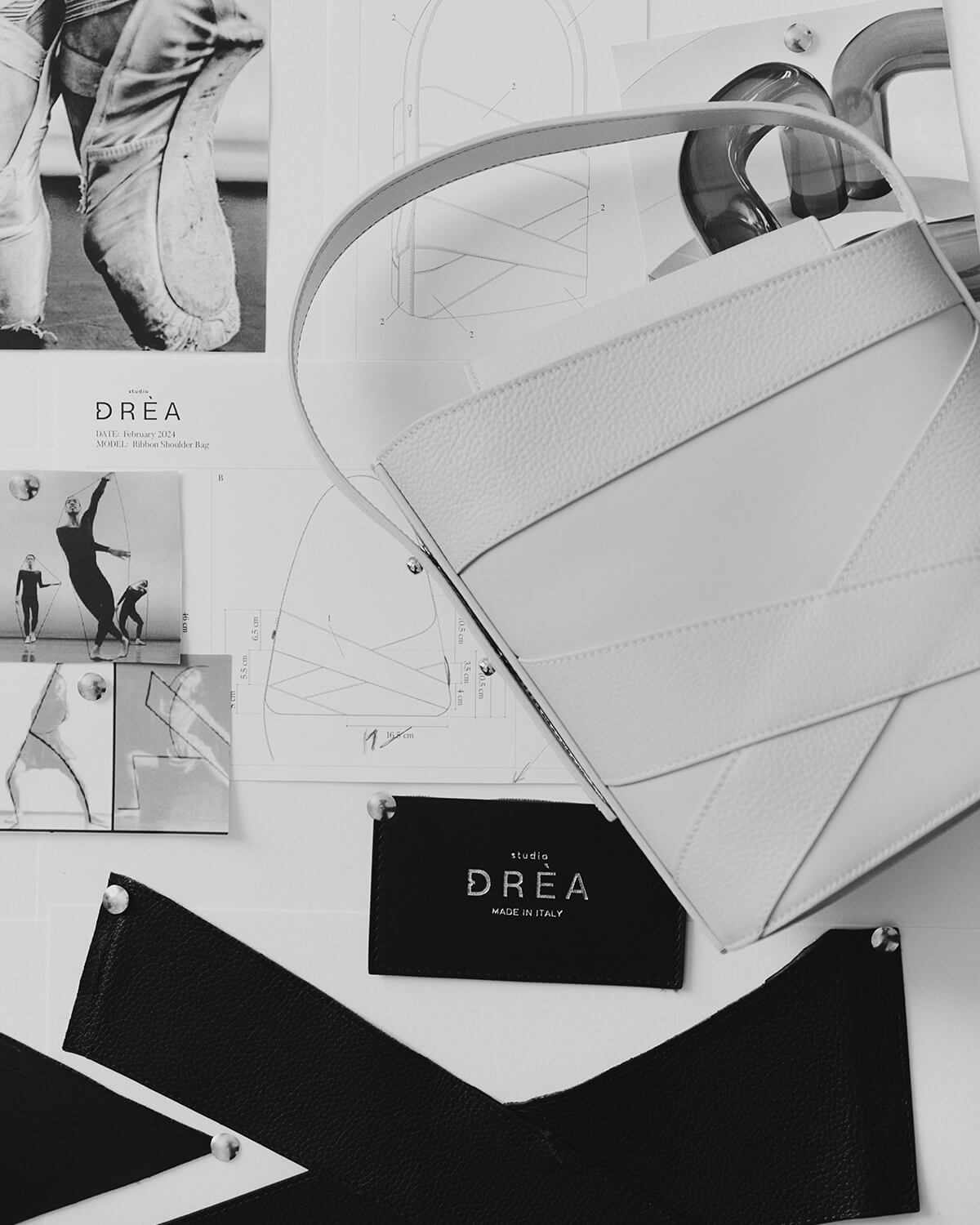
The same principles return in design. The curve of a bag is never only aesthetic. It must hold tension with grace. It must maintain shape without rigidity. It must feel resolved from every angle, while still suggesting movement in stillness. The arc of the back may become a contour. The placement of weight may influence proportion. The dialogue between tension and release may shape the balance between softness and structure in leather. Even the handle is considered in relation to how a piece rests against the body, how it is carried, and how ease can coexist with definition.
In this sense, design is not separate from performance, but another form of composition. A bag, like choreography, must resolve many elements at once. It must be functional without becoming purely utilitarian. It must possess structure without losing sensitivity. It must move with the body while retaining a presence of its own. This is where artistic thinking becomes object design — not through trend, but through rhythm, gesture, and proportion.
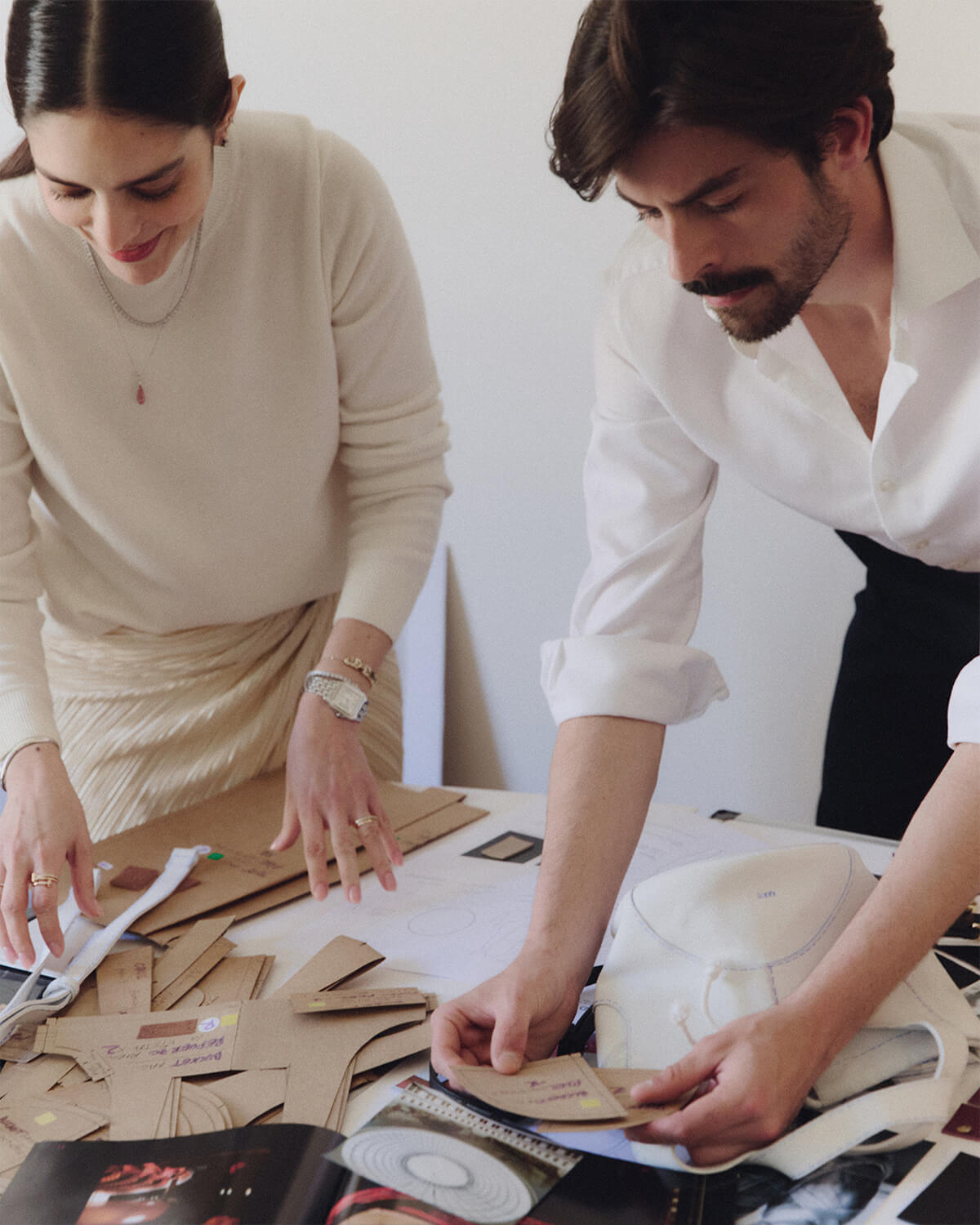
This is also why theatre continues to hold such meaning for Studio DRÈA. Theatre is not only a spectacle. It is atmosphere, construction, memory, discipline, and transformation. It reminds us that what moves people is rarely surface alone, but the thought, skill, and feeling beneath it. The same can be said of craftsmanship: balance tested, lines refined, proportions adjusted until they feel inevitable. Much like rehearsal, it is a process of repetition in pursuit of clarity — until precision becomes expression.
At Studio DRÈA, this is how movement becomes design.


Not through literal translation, but through sensibility. Through the understanding that line holds emotion, that proportion shapes presence, and that the placement of weight changes how an object lives in the hand, on the shoulder, in movement, and at rest.
As we reflect on our first year, it feels natural to return to this foundation. Studio DRÈA was never intended to begin with trend. It began with artistic thinking — shaped by theatre, by dance, and by the many forms of discipline and imagination that live within them.
One year on, that remains our point of departure.