ENTRY XII - THE CRAFT OF MOVEMENT
 THE CRAFT OF MOVEMENT
Where the art of ballet meets the savoir-faire of leather craftsmanship
Before Studio DRÈA, there was ballet.
Not only the stage or the performance, but the years behind them: early mornings, repetition, corrections and the ritual of returning to something that could never be considered entirely finished.
I grew up in a ballet boarding school, where dance was not arranged around childhood; it shaped childhood itself. The studio determined each day and influenced the way I learned to observe and work.
That upbringing taught me that artistry and discipline are not opposing forces. One makes the other possible. Expression may be what an audience remembers, but it is built upon technique, structure and countless decisions made before the curtain rises.
Years later, as Studio DRÈA began to take form, I recognised the same values in another world of craft: leatherwork.A shared language of craft.


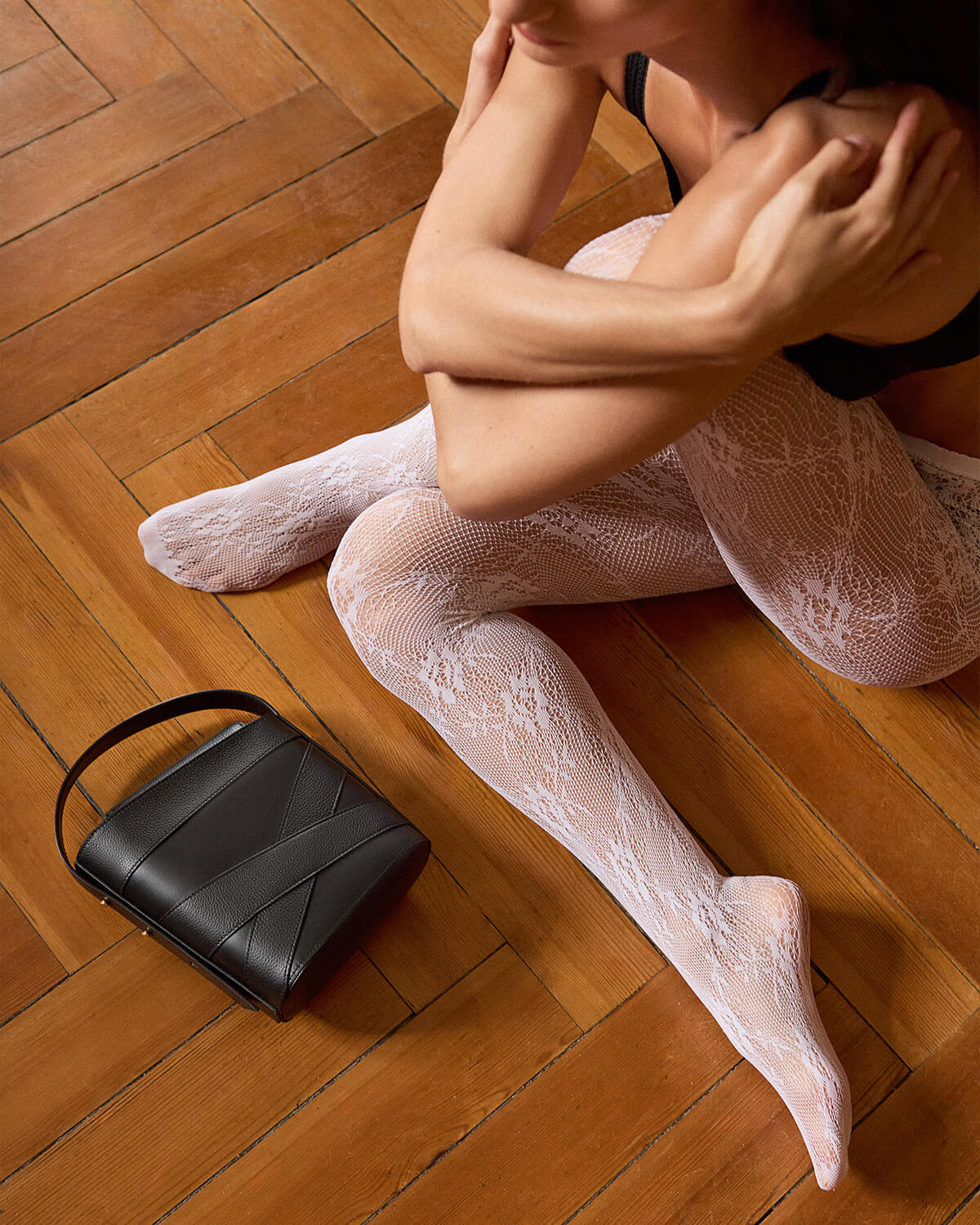
Ballet and leather craftsmanship may seem like separate disciplines. One exists through the moving body; the other through an object shaped by hand. Yet both are founded upon repetition, precision and an understanding that beauty is never accidental.
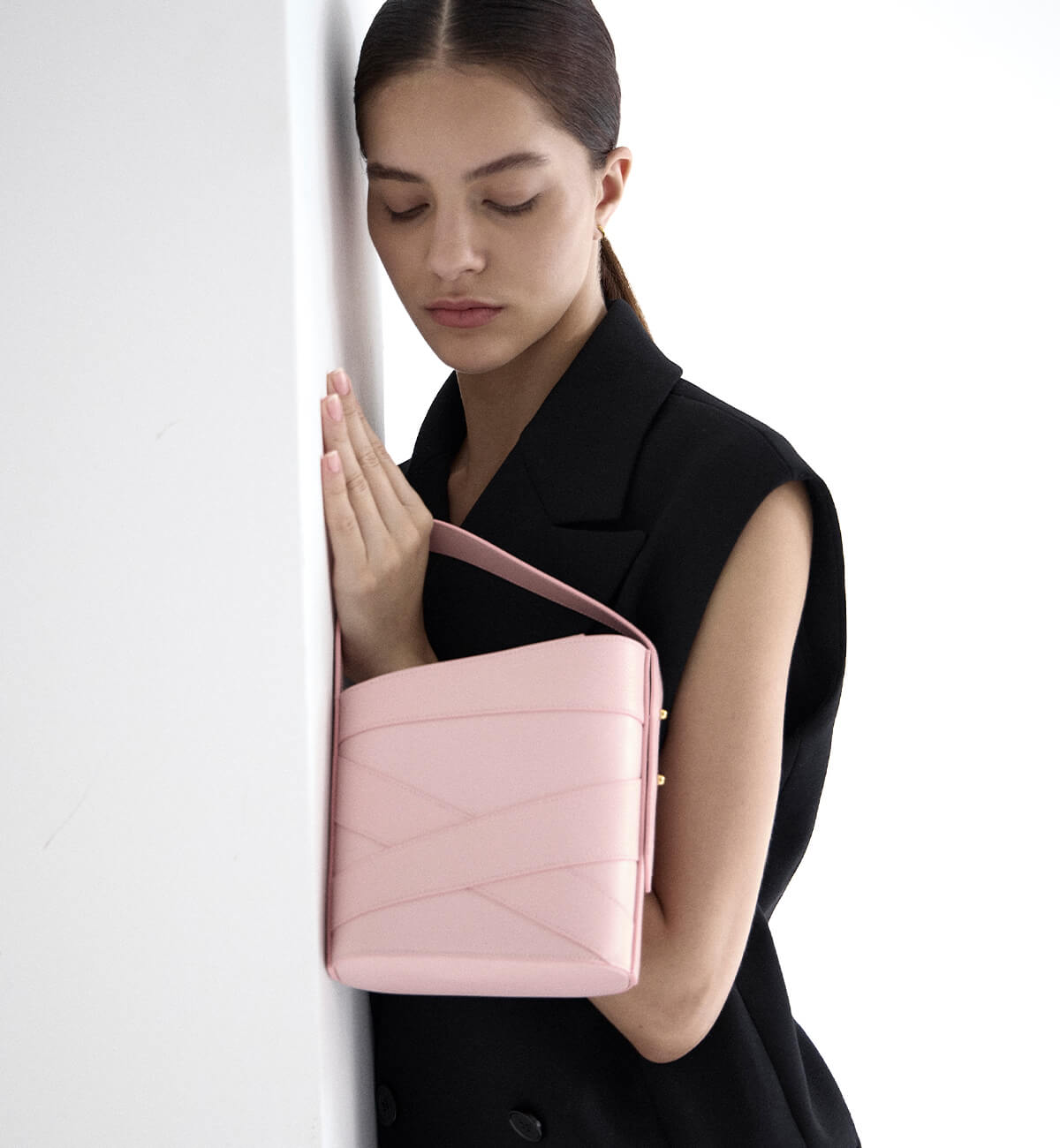
In ballet, an almost imperceptible correction can transform a movement. The position of a hand alters the line of the arm; a shift in weight changes the body's balance. Precision allows movement to communicate with greater clarity.
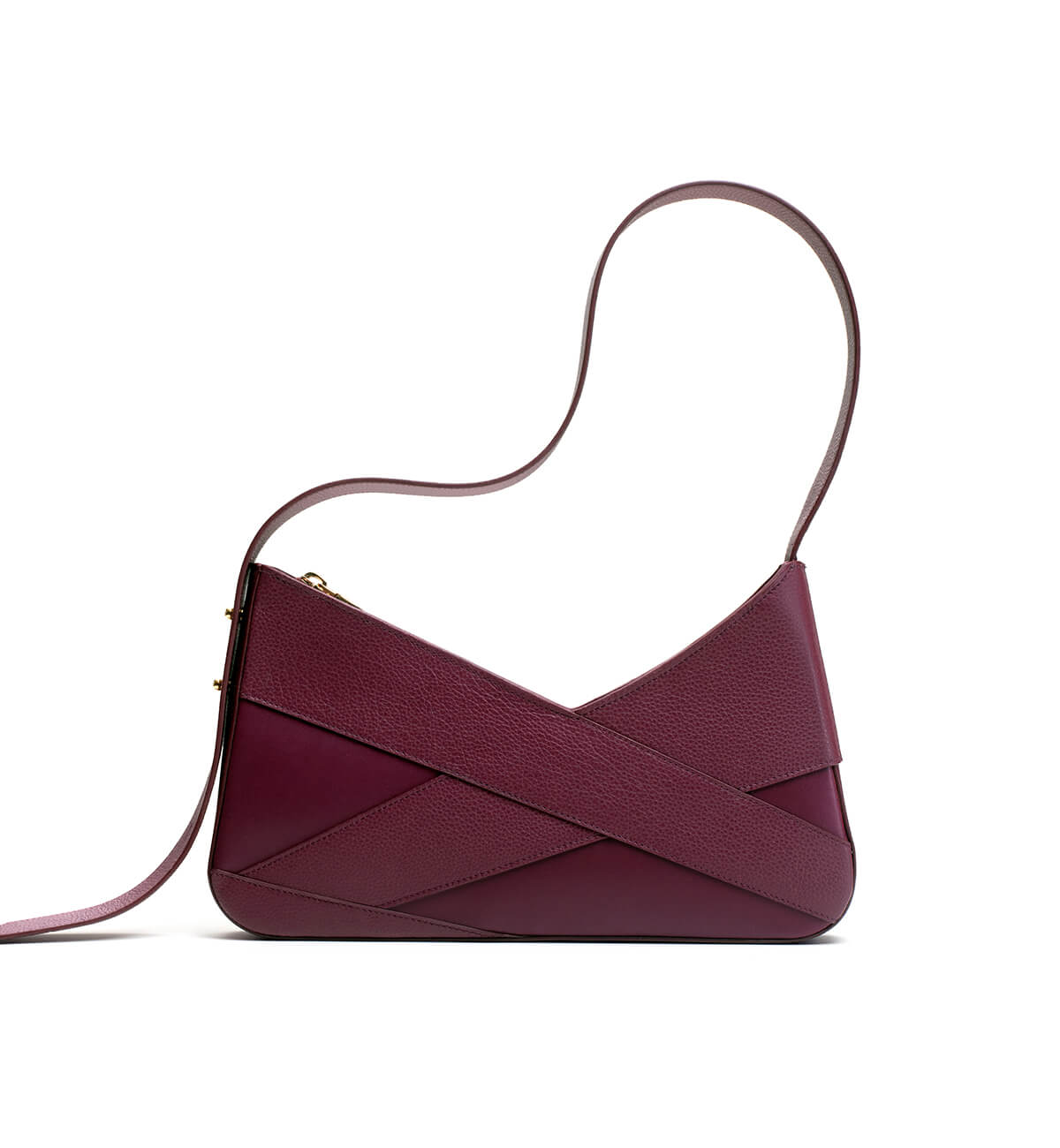
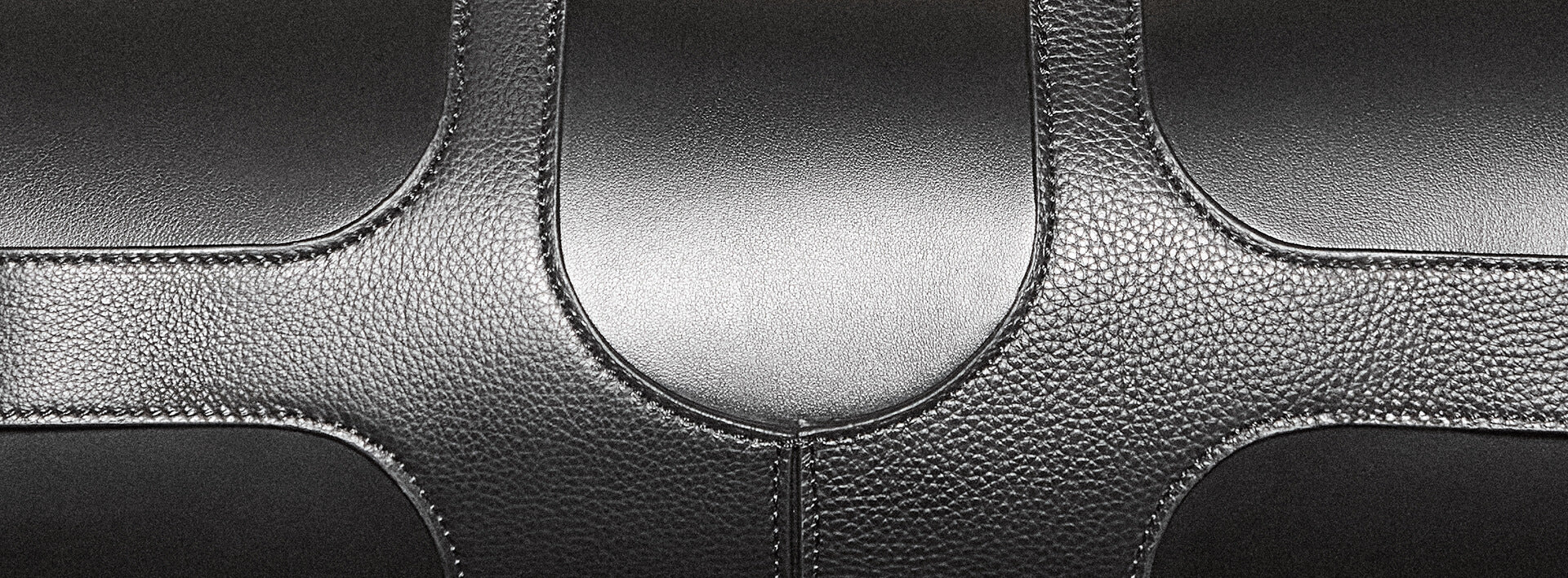
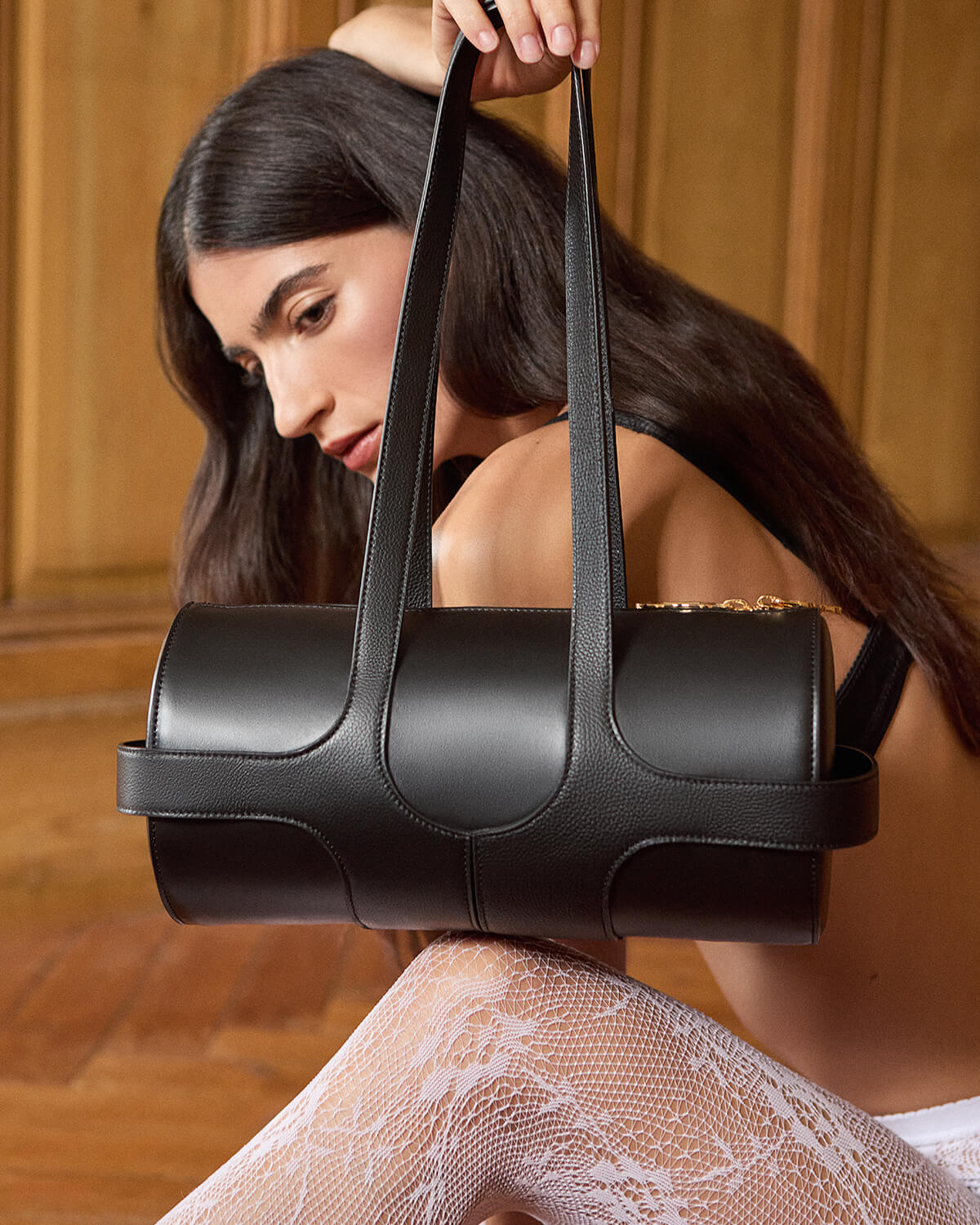
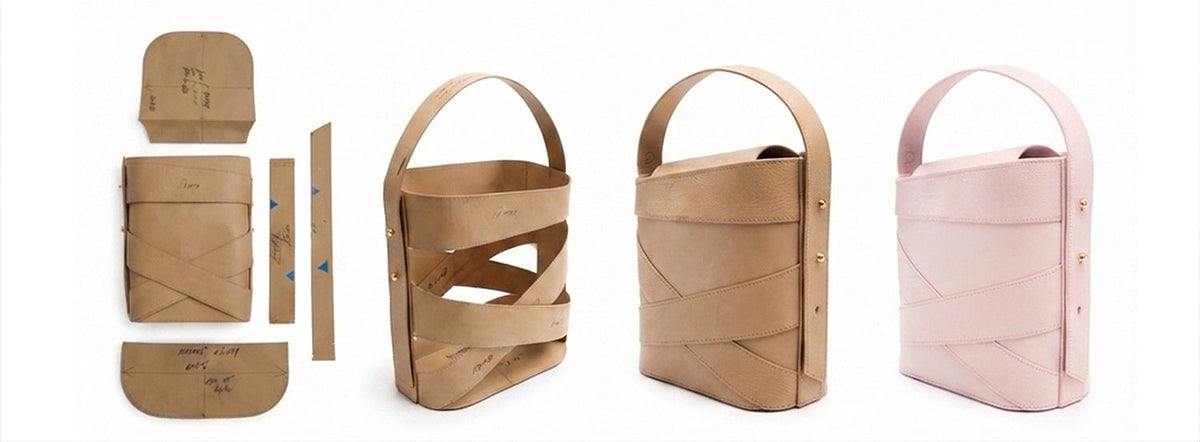
Leather craftsmanship follows a similar logic. A finished bag conceals a sequence of considered gestures. A pattern is measured, cut and assembled; edges are prepared, seams aligned, and hardware balanced against the leather. Millimetres matter, as do the pressure and knowledge of the hand.
In both disciplines, the result is shaped not by one grand gesture, but by the accumulation of many precise ones. Mastery is not a single achievement. It is a practice.
Proportion, structure and material
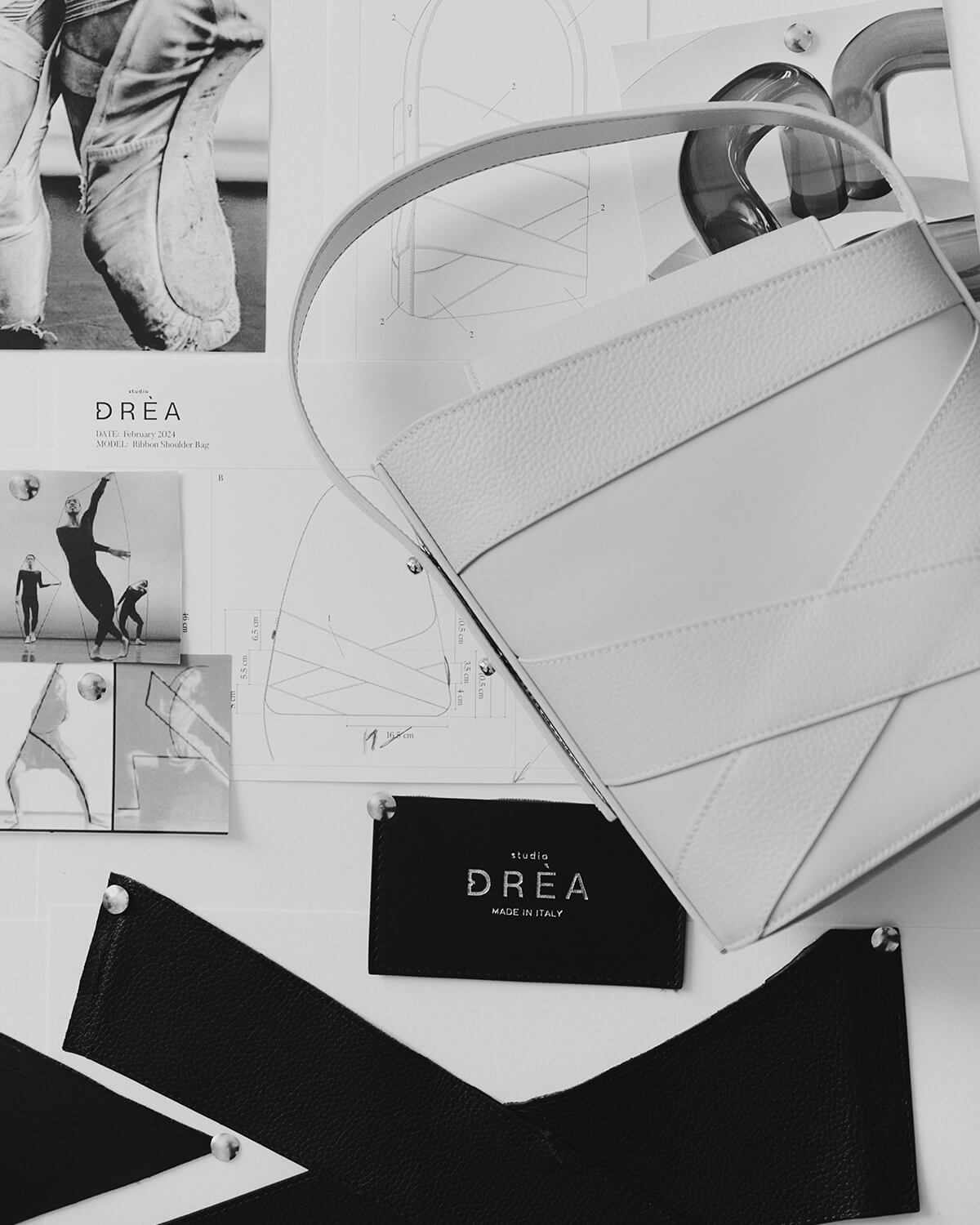
Training as a dancer developed my awareness of proportion long before I began thinking about bags. In ballet, no line exists alone. The arm changes the appearance of the torso; the head completes or interrupts the movement of the body. Everything is understood through relationship.


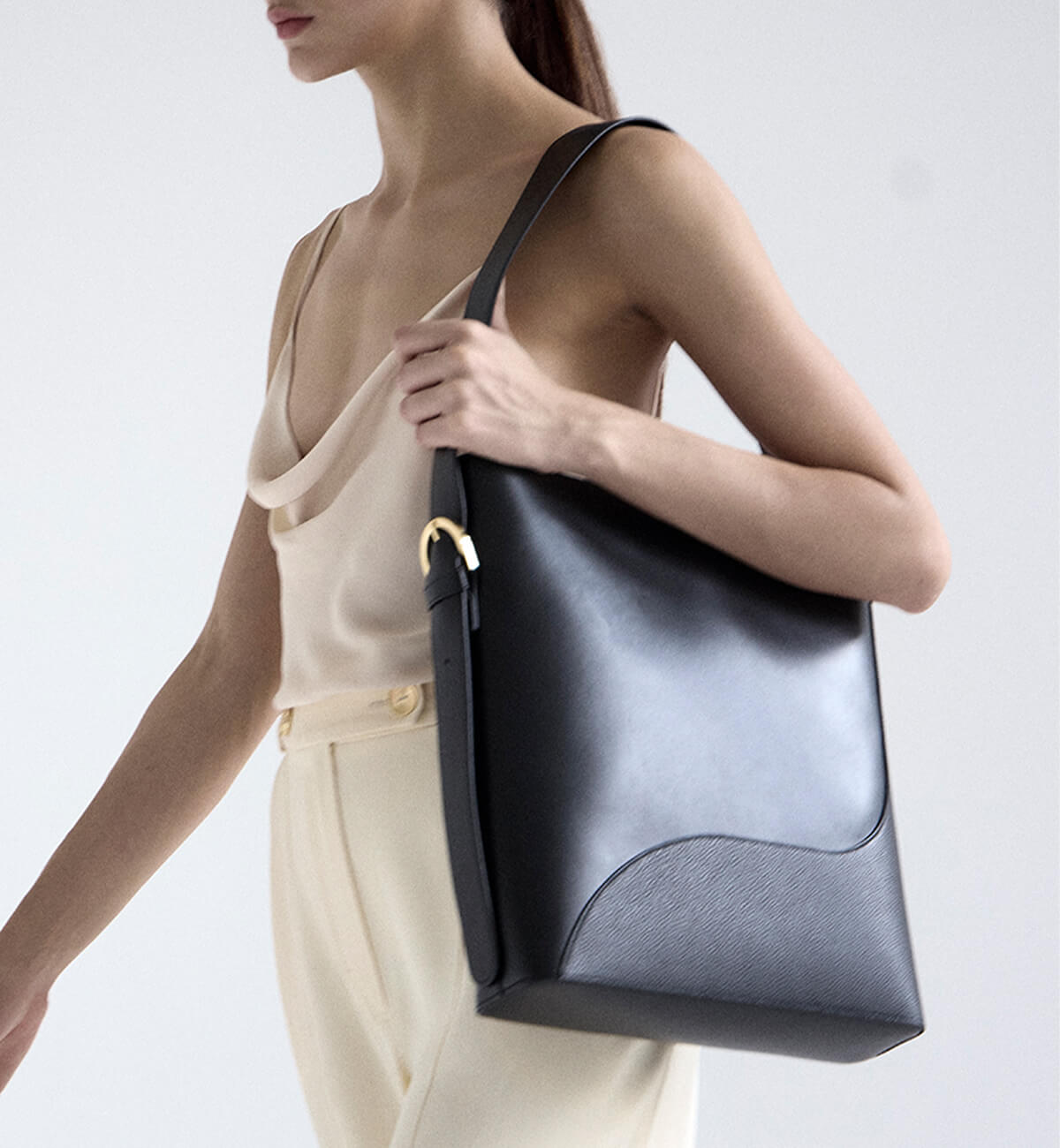
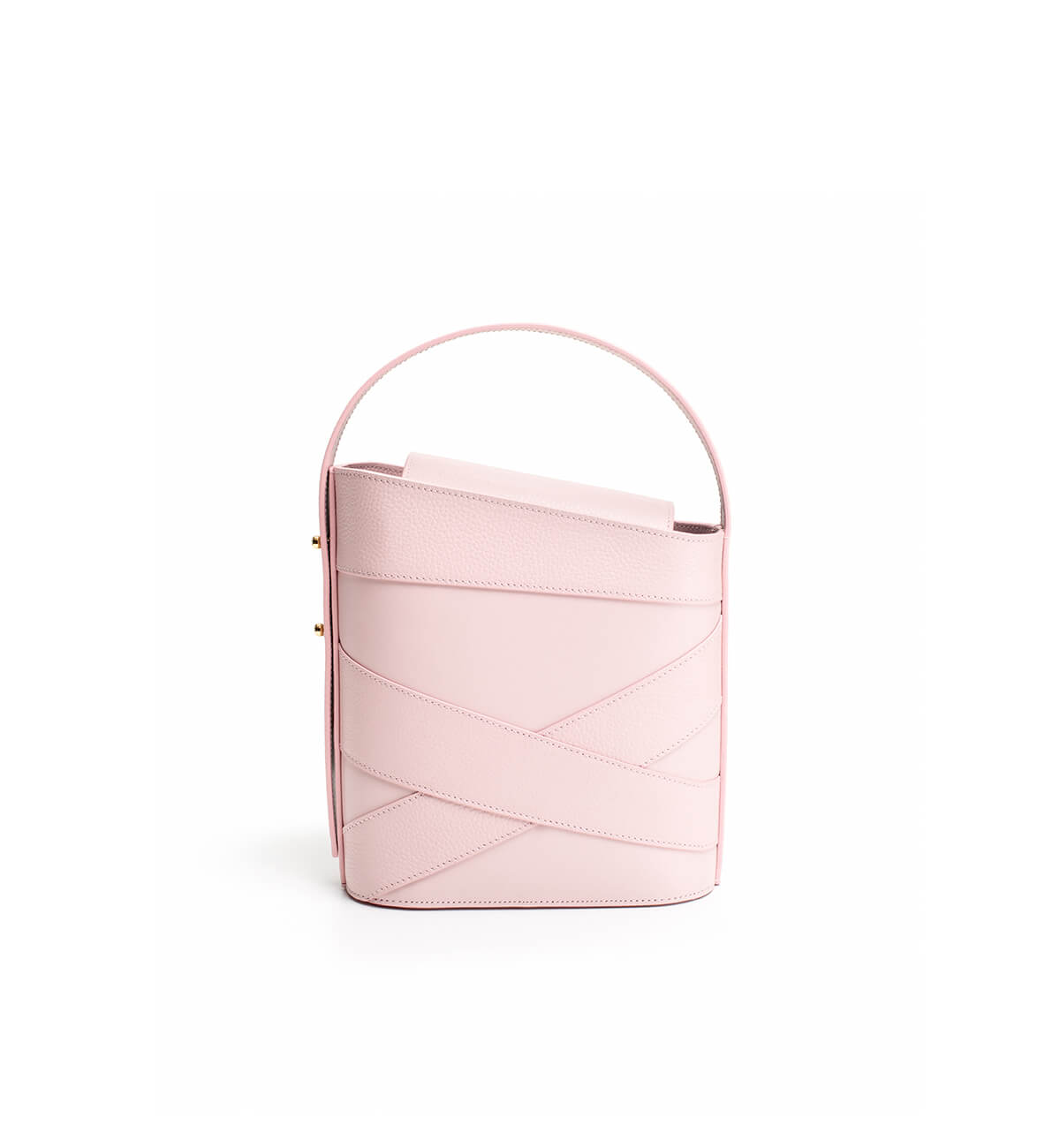
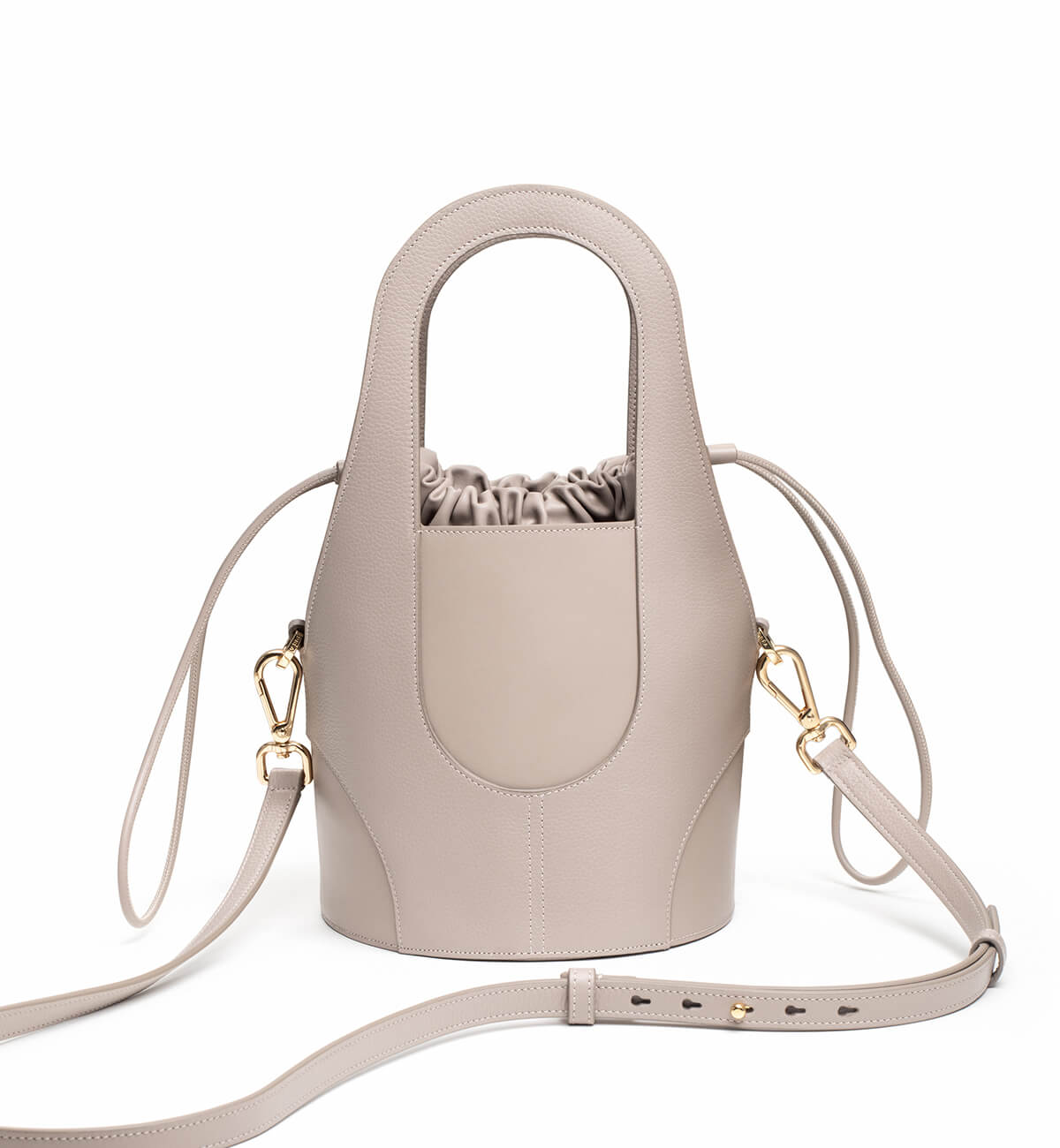
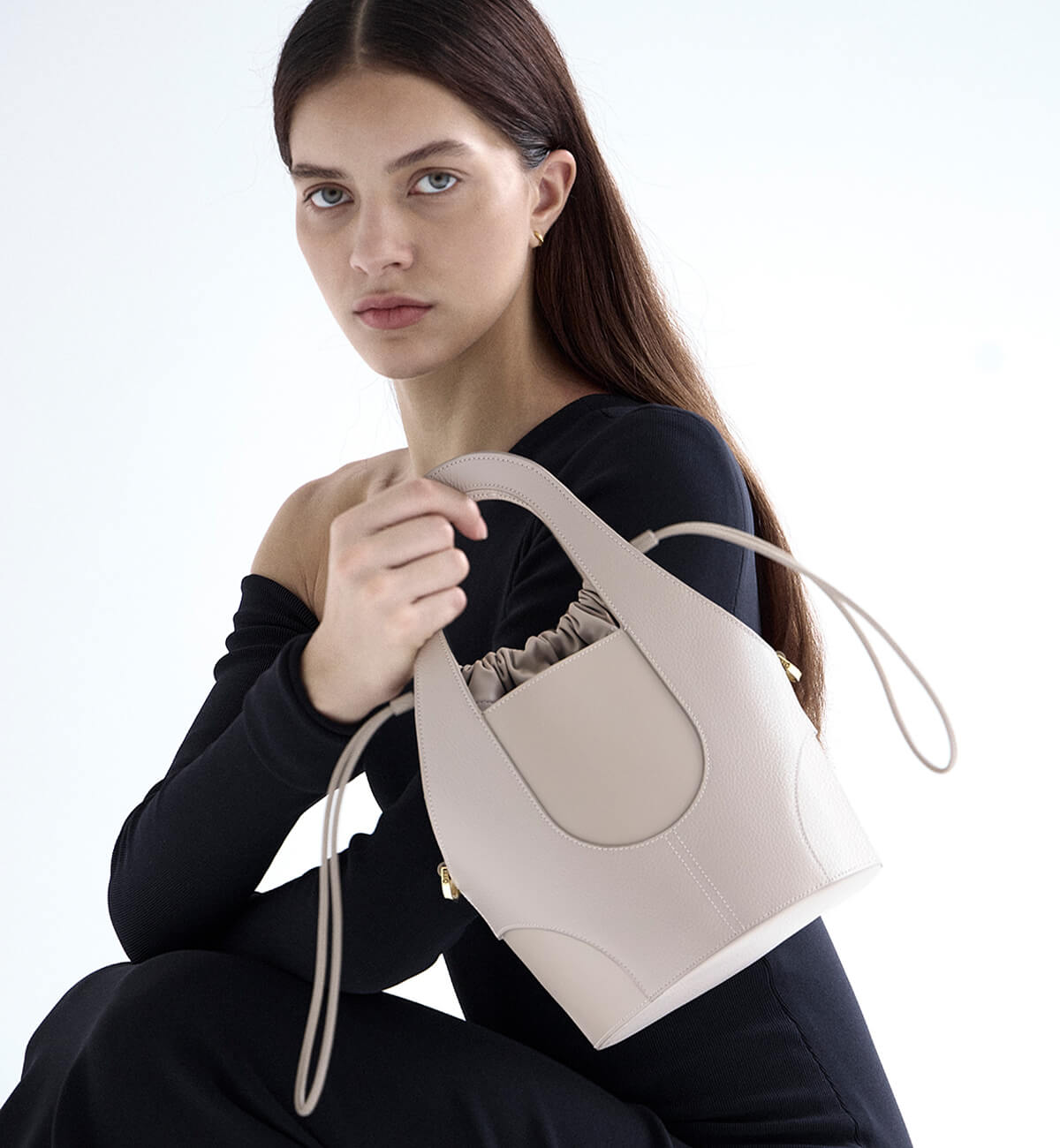
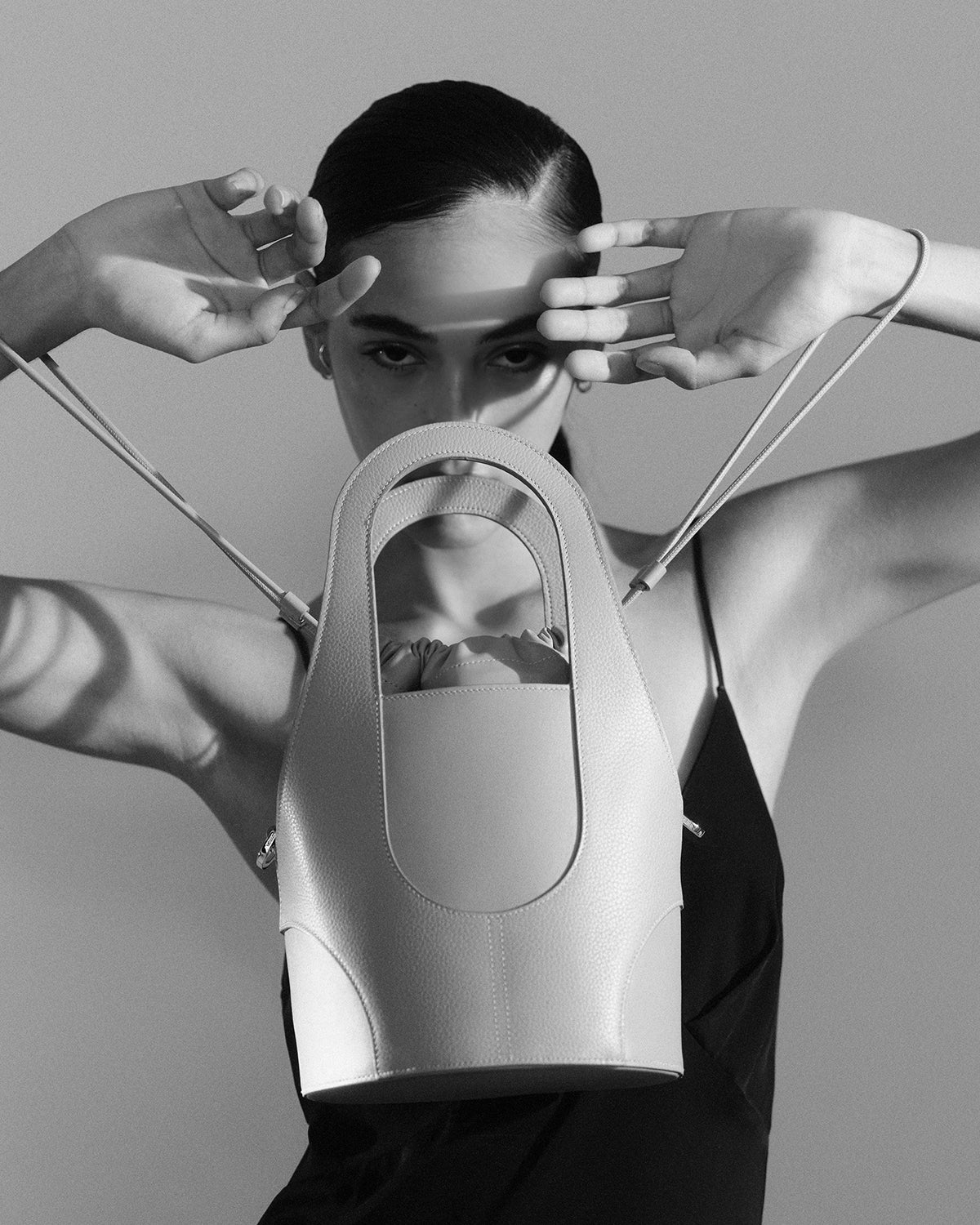
Design demands the same sensitivity. The length of a handle, the position of a fastening or the scale of the hardware can alter the character of a bag. A curve may soften a structured silhouette, while a single line introduces tension and direction. For Studio DRÈA, proportion is the point at which form, function and presence begin to belong to one another.
Ballet taught me to understand the structure beneath the surface. What appears effortless onstage is supported by alignment, strength and control. Leatherwork has its own unseen architecture, determining how an object holds its shape, carries weight and responds to use.
A dancer learns to work with the body rather than impose movement upon it. Leather also has its own behaviour: its grain, thickness and softness influence what it can become. Working with experienced artisans means respecting that intelligence. Design becomes a dialogue between idea, material and hand.
This is the meaning of savoir-faire: knowledge developed through repetition until it becomes instinctive.
From the rehearsal studio to Studio DRÈA
Boarding school taught me independence early. Life was organised around a demanding shared purpose, with the understanding that progress required personal responsibility. Ambition was accompanied by humility: however accomplished you became, something could always be refined.
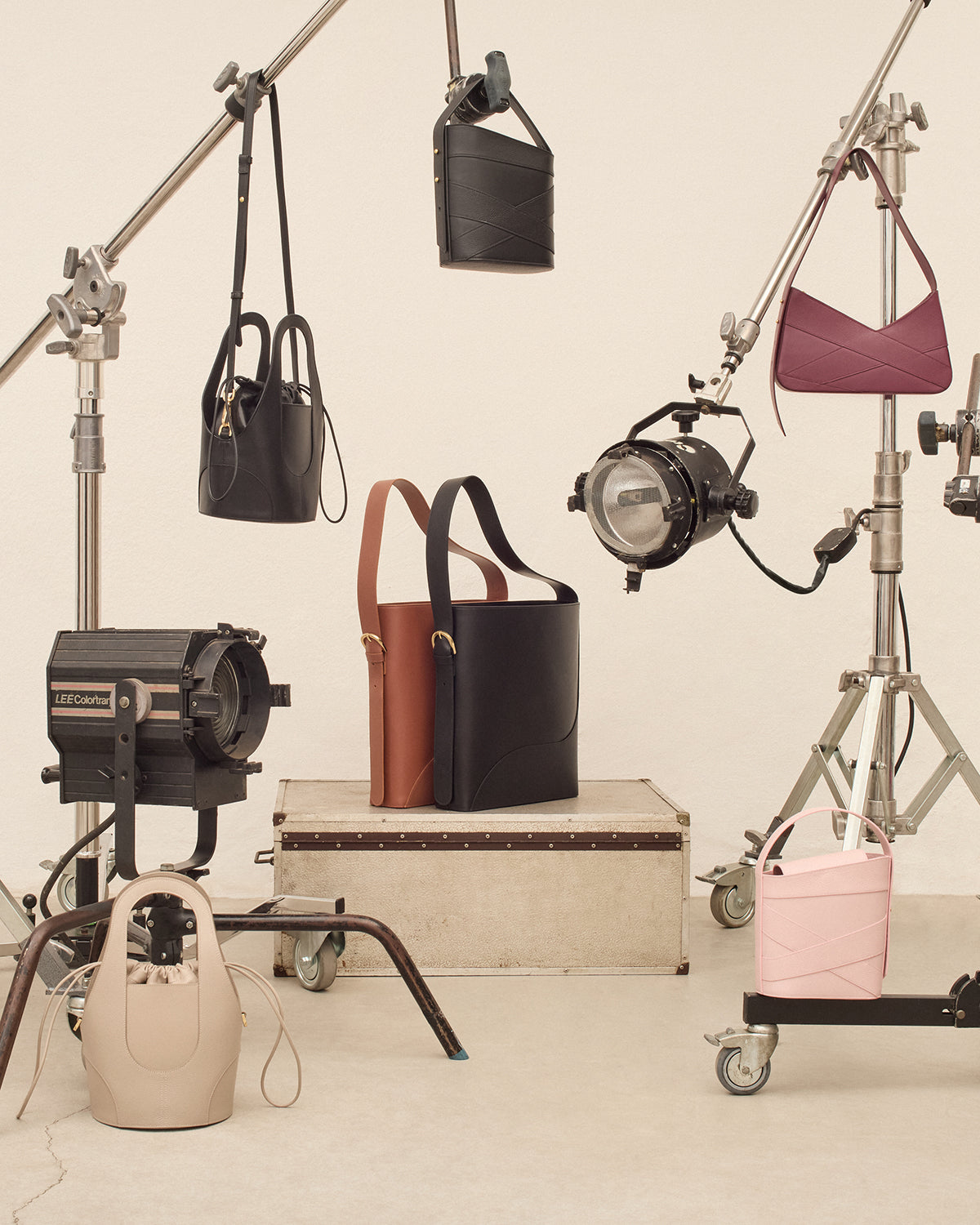
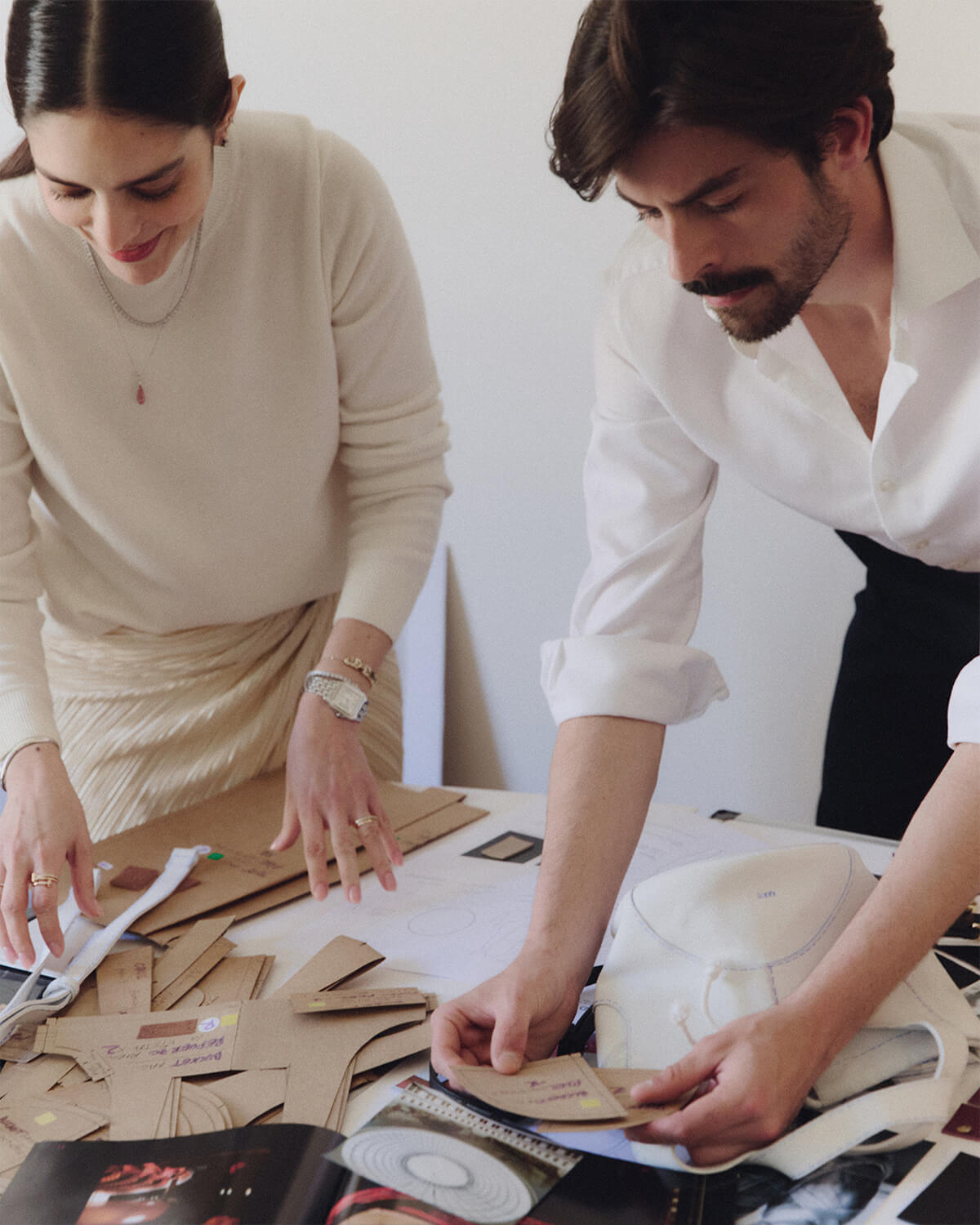
Building Studio DRÈA has required the same willingness to look closely and begin again. A design passes through sketches, prototypes and revisions. An idea that works on paper may change once constructed. A proportion may need to be reconsidered against the body. A handle, fastening or interior detail may return to the workshop several times before it feels resolved.
This process is not separate from creativity. It is creativity.
Just as a performance carries the memory of every rehearsal, a Studio DRÈA piece carries the development, dialogue and handwork that preceded it—even when the evidence is invisible.
Completed by the person who carries it
A performance is not complete in an empty theatre. It changes when it meets an audience and becomes feeling, memory or recognition in someone else.
An object of craft also finds meaning through use. A Studio DRÈA bag has its own character, but its story continues through the person who chooses it. The leather softens, records touch and becomes familiar with the rhythm of a life.
You do not need to know ballet technique or the vocabulary of leatherwork to recognise the value of either craft. You experience it in the result: in the pleasure of a natural gesture, in the integrity of an object made with purpose and in the character it develops through time.


Choosing Studio DRÈA means entering an exchange between artisan, object and wearer. It means carrying something shaped by two traditions of mastery: one that taught me to understand the body in motion, and another that transforms leather through the knowledge of the hand.
The stage taught me that movement gives form its meaning. Leather craftsmanship taught me that form can preserve the memory of movement.
D Isaac
Founder of Studio DRÈA
Studio DRÈA
Crafted for the cultured and the curious